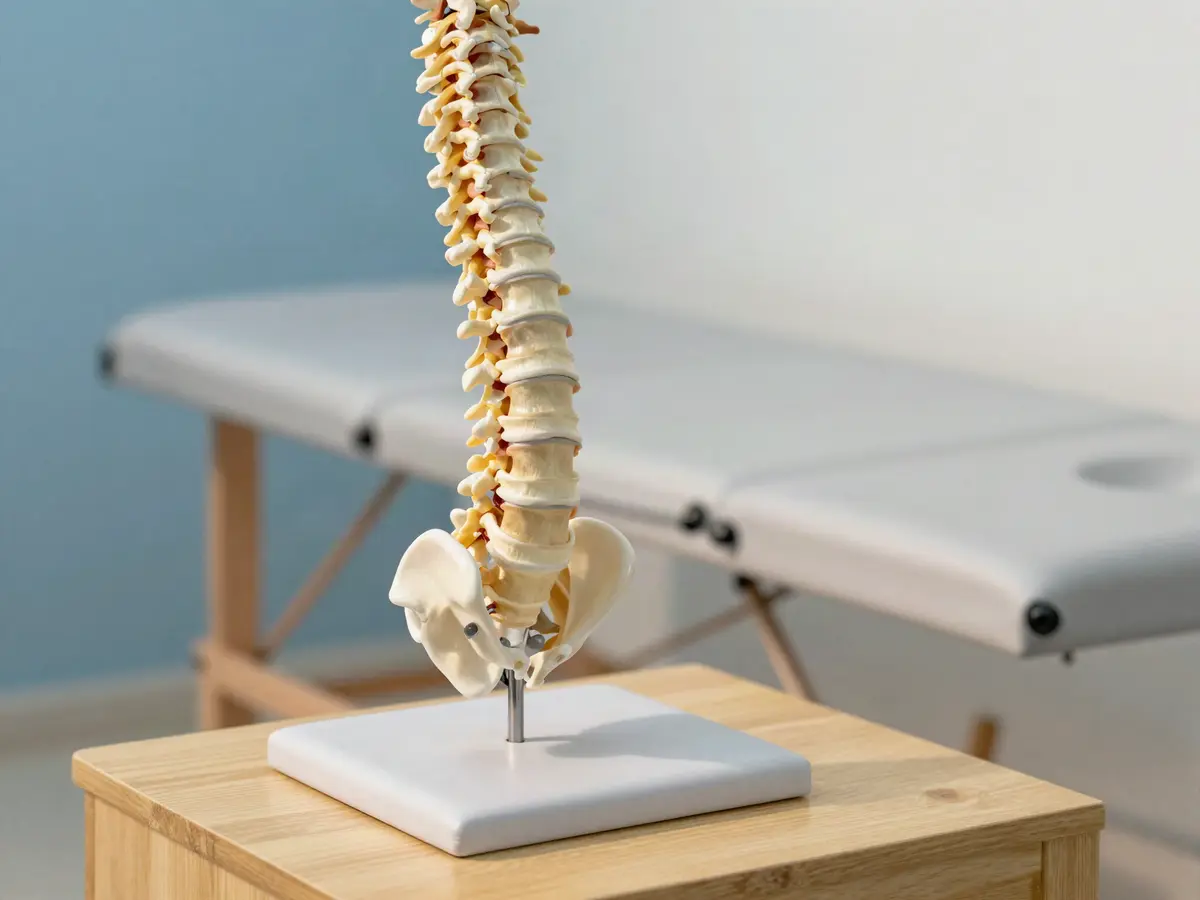
An adjustment is a specific, controlled thrust applied to a joint that is not moving the way it should. The pop you sometimes hear is gas releasing from the joint fluid - the same thing that happens when you crack a knuckle. It is not bone grinding on bone, and it should not be agonizing. Most patients feel the area move more freely right after.
We are honest about the industry's worst reputation: some clinics sell thirty-six-visit packages before they have even examined you. We do not do that. There are no prepaid blocks and no long-term contracts here. You should feel meaningful improvement within a small number of visits. If you do not, we refer you on to someone who can help rather than keep booking you.
We treat acute lower back pain, neck pain and stiffness, sciatica, tension headaches, and pain after a car accident or a bad lift. Adjustments are supported with soft tissue work, traction, and a couple of simple exercises to help hold the change between visits - not a supervised exercise program.
Some symptoms mean you should see a physician first, not get adjusted: sudden weakness or numbness, loss of bladder or bowel control, fever with back pain, or pain after a high-impact injury. Our first-visit exam is built to catch those red flags and send you the right direction.