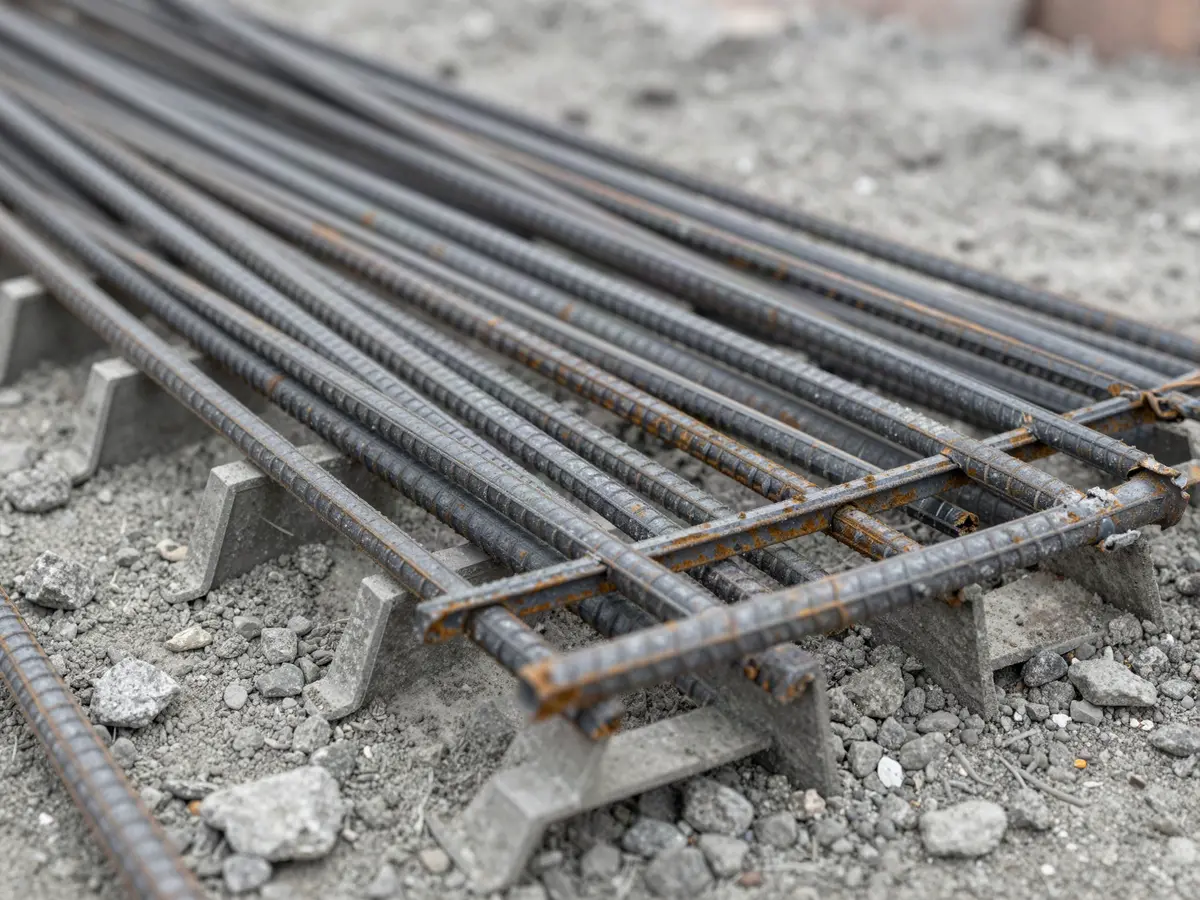
Concrete shrinks as it cures, so it will crack somewhere - anyone who promises otherwise is inexperienced or lying to you. What separates a good contractor from a bad one is control joints: lines cut or tooled into the slab at planned intervals so the crack follows that line instead of running wherever it wants through the middle of your driveway. A slab is only as good as what is beneath it, too: a compacted base of the right depth, drainage so water does not sit and heave it during a freeze, and rebar or mesh sized for what will actually load it. A patio and a driveway that will carry vehicles are not the same job, even if they look the same once finished.
A patio, a standard driveway and a heavy-vehicle pad each call for a different thickness and mix, and we will tell you which one your project needs before we pour. Adding water on site to make concrete easier to place is common and it weakens the slab - we do not do it, even when it would make the pour faster. Finish is a real choice too: a broom finish grips tires and boots on a driveway, a smooth trowel finish suits an indoor slab, and exposed aggregate or stamped, colored concrete both read as upgrades. Stamped work looks best on day one and also needs resealing on a cycle, which we tell you up front rather than after you have paid for it. Curing is not drying - concrete gains strength through a chemical reaction that needs moisture and time, so we keep a new slab damp or covered through the early cure and ask that it stay off-limits to foot traffic for about a week and vehicles for closer to a month. We will also postpone a pour rather than place concrete into high heat or a coming freeze, since both ruin a slab before it is ever used.
The other half of the business is masonry: brick and block walls, steps, chimneys and stone veneer. A retaining wall past a modest height needs engineering and a permit, plus drainage behind it so groundwater does not build up and push it over - we will tell you when your wall crosses that line. Repointing means raking out failed old mortar and replacing it with a mix matched to the original; a modern mortar that is harder than old soft brick traps moisture and damages the brick around it instead of protecting it. To quote any of this well we need real dimensions, whether a truck can reach the site or the mix has to be barrowed in, and what is there now.