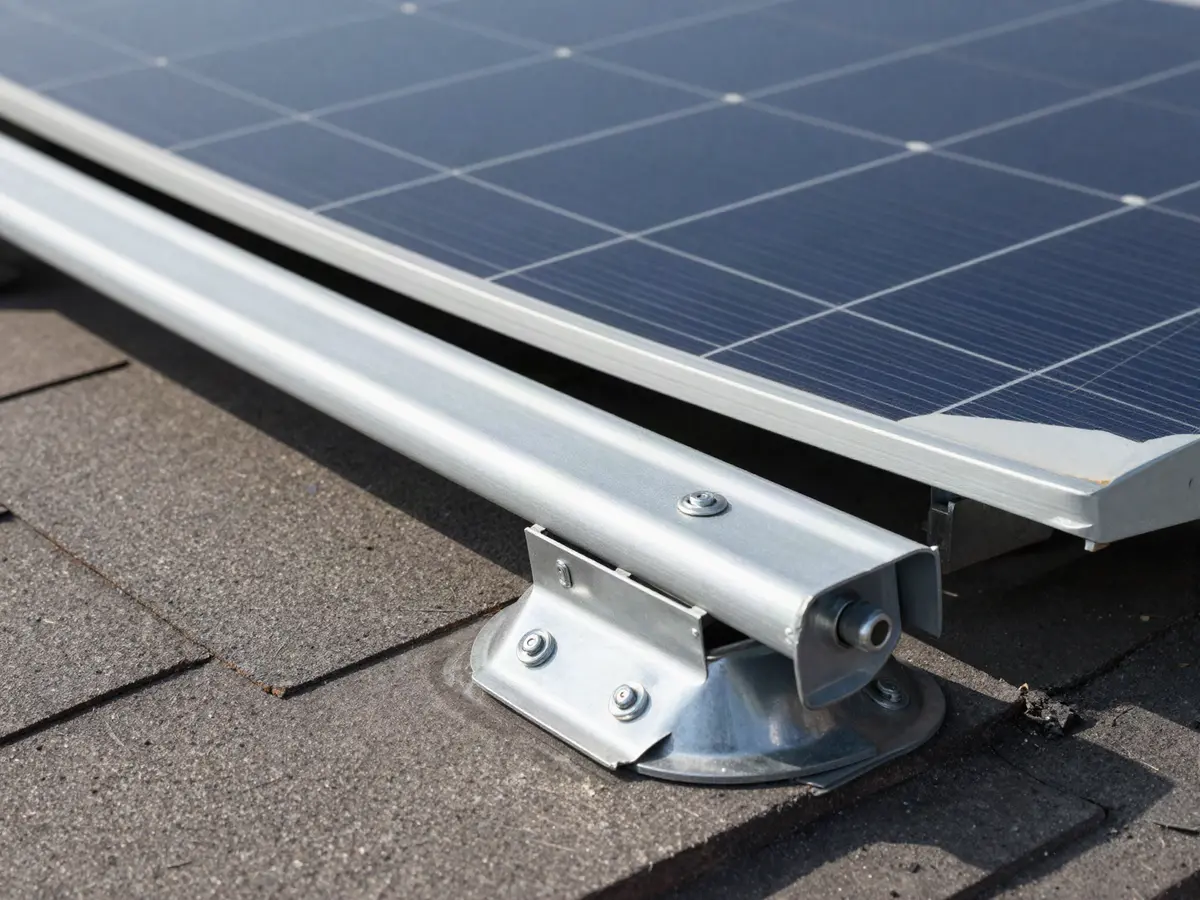
The roof comes first
If your roof has under about five years of life left, we will tell you to replace it before we mount anything. Removing and reinstalling a finished array later costs thousands in labor alone, and it is the single most trust-building thing we can say before you sign anything - we would rather delay a sale than sell you a system twice.
Equipment and warranties, plainly stated: Panels degrade a small, predictable amount of output each year and typically carry a twenty-five-year performance warranty. Inverters do not last as long - plan on a shorter inverter warranty and a possible replacement partway through the system life.
Microinverters convert power at each panel, so shading on one panel does not drag down the whole array, at a higher equipment cost. A string inverter with power optimizers is the lower-cost middle ground - most of that same shading tolerance, on cheaper hardware. We will show you both for your roof.
A workmanship warranty covers our installation and any roof penetration separately from the equipment warranties above - ask what it covers and for how long, because that is what protects you if a mounting point ever leaks.
Batteries, honestly: A battery buys resilience through an outage and lets you shift when you use stored power, but it is usually not a faster payback on its own - the added cost rarely earns itself back as quickly as the panels do. The real decision is scope: sizing for whole-home backup costs significantly more than sizing for a handful of critical circuits like refrigeration and a few outlets. We will size to what you actually need backed up, not the biggest battery available.
The process, and the honest timeline: A site assessment confirms roof condition, shading, and electrical capacity. We then complete structural and electrical design, file permits, and submit for utility interconnection approval. Once permits and interconnection clear, we install, the jurisdiction inspects the work, and the utility issues permission to operate before the system can be switched on. Start to finish usually runs several weeks to a few months, and most of that time is spent waiting on permits and utility approval rather than on us.
Incentives, stated as what they are: A federal tax credit and, in many areas, state or utility rebates can reduce the net cost of a system substantially. These are incentives with rules and expiration dates, not guaranteed savings - we will show you the current programs you may qualify for and let the numbers speak for themselves rather than promise a figure we cannot back up.