We charge a rate per foot drilled plus a separate rate per foot of casing installed. A well that strikes a productive fracture at 140 feet costs a fraction of one that has to chase water to 380 feet next door - and until the bit is down there, nobody can promise which one yours will be. We use logs from wells already drilled nearby and the local geology to give a realistic depth range before we start - an estimate, never a guarantee. A dry or low-producing hole is still billable drilling time, because the work of drilling it happened whether or not it found water; we explain that plainly before the rig ever moves onto the property. If depth runs past the estimate, we call before continuing rather than surprise you on the invoice. Most residential wells in our service area finish between 120 and 300 feet.
Before anything moves, we site the well. State code sets a minimum distance from a septic tank and drain field, from property lines, and from structures - we confirm those setbacks against your parcel before drilling, not after. A well sited too close to a septic system is a contamination risk we will not take on your behalf. The rig is a genuinely large truck, so we walk the access route with you first: driveway width, gate clearance, turning radius, and whether the ground will support the rig's weight in wet weather. Final placement comes from local well logs and geology, not divination - we look at what nearby wells found before marking a spot.
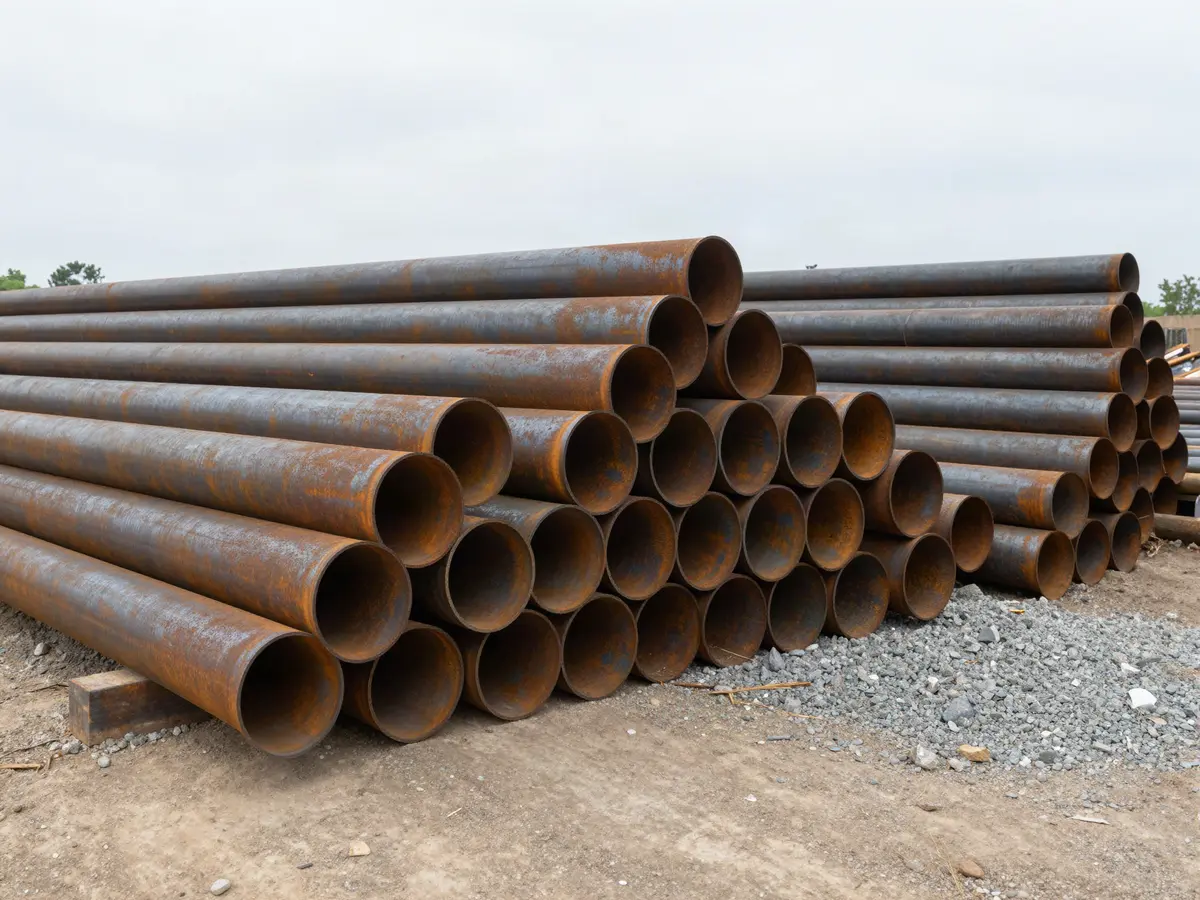
We drill through the overburden - the loose soil and clay near the surface - and into bedrock, where most of our area's water-bearing fractures sit. Steel or PVC casing is set the full depth of the overburden and grouted in, sealing the outside of the borehole so surface water and contaminants cannot travel down the gap between the casing and the ground into your aquifer. Below the casing, the well draws from either open bedrock or a screened intake, depending on the formation. We then develop the well - pumping and surging it to clear drilling fines and fine sediment - so what comes out of the tap is not cloudy on day one.